



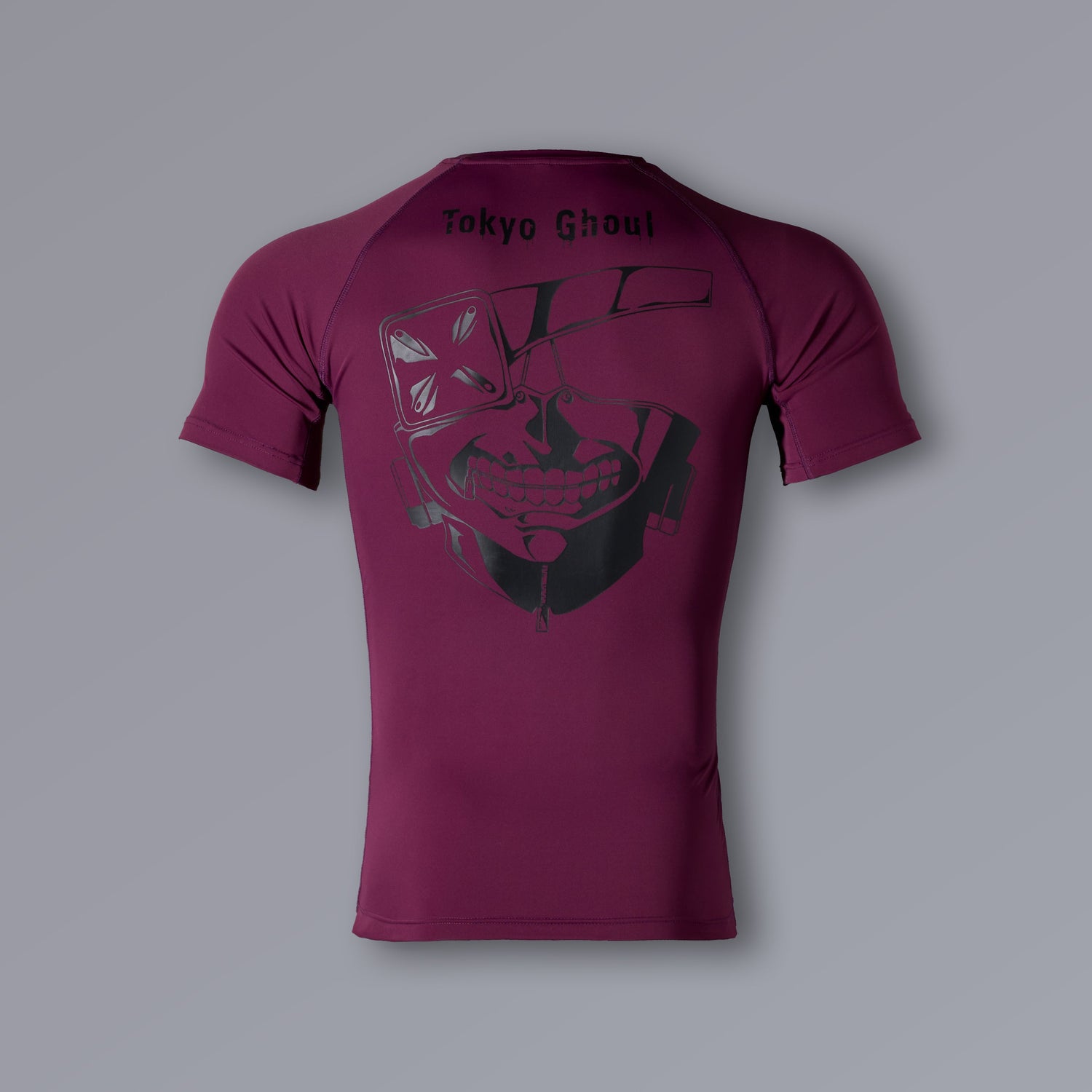
Knowing what size compression shirt to wear for strength training can make the difference between a workout that feels smooth and one that feels off. Whether you're hitting squats, shoulder presses, or heavy rows, the right fit will help you move better and stay focused. If it doesn’t fit like it’s supposed to, it can limit your range of motion or become a constant distraction.
We see plenty of lifters trying to figure out if their shirt is too tight, too loose, or just not right for what they’re doing. This guide clears that up by walking through how compression shirts should feel, what to check when trying one on, and why getting the size right matters.
Understanding Compression Fit and Feel
Compression shirts are made to hug your body and follow your movement. That pressure helps with body awareness during lifts. It can even support your muscles through harder sets. But tighter isn’t always better. There’s a difference between snug and restrictive, and knowing the line makes it easier to lift.
Here’s how solid compression should feel:
- Snug enough that it stays in place when you move
- Just tight enough to support your muscles, but not block circulation
- No pinching, riding up, or pulling at the seams
A lot of beginners make the mistake of sizing down too much. They think if it feels tight, it's doing its job. But if it's cutting into your arms or shoulders, or making it hard to breathe during warm-ups, that’s a big warning sign. It should feel like a second skin, not like you’re being wrapped up in plastic.
How to Check If Your Compression Shirt Fits Right
Trying on the shirt is only half the job. You still need to add movement before calling it a good fit. Walk through a few basic lifts and pay attention to how it performs. Does it stay where it should? Does it stretch when you reach overhead?
Focus on how the shirt feels in these areas:
- Shoulders: You should be able to raise your arms without the fabric pulling up or around your shoulders
- Chest: The shirt should lie flat without squeezing too hard or bunching up under your armpits
- Waist: It should stay down during basic movements, and not ride up every time you hinge or squat
If it's tugging at your skin with every rep or feels like it’s making you fight to reach full range, it's too small. If you can grab extra fabric and it flaps while moving, it's probably too big. Middle ground is the goal.
Gym Goals and Fit: Size by Style of Training
Different training styles can affect how your shirt should fit. A powerlifter might want a tighter fit that offers structure during max effort sets. Someone focused on bodybuilding might prefer a bit more freedom because they're moving through long, repetitive movements. If your training is general strength or fitness, you’ll probably want something in between.
Think about what you need during your sessions:
1. Tighter fits can help keep your upper body engaged during heavy pushing or bracing
2. A slightly looser fit gives you better breathability during high-rep exercises or circuits
3. Compression will feel different once you get a pump, so a comfortable fit might start to feel tighter later
Make space for how your body changes mid-session. What feels like a perfect fit before your first set can shift once your blood gets flowing. Consider that into your sizing.
Seasonal Shifts and Layering Considerations
Spring is a time when things change fast. One morning calls for layers, and the afternoon warms up. If you’re training during this seasonal shift, the size of your compression shirt might need to work with an extra hoodie or zip-up during warm-ups.
When figuring out what to wear underneath or over your compression shirt, think about:
- Whether your warm-up includes outer layers, like pump covers or long-sleeve tops
- How much you expect to sweat, especially on days where temps rise fast
- Cooling down between sets and how the shirt holds heat when you're not moving
If you prefer garage workouts, in-gym sessions, or cardio outdoors, your shirt should stay functional no matter what gets layered over it. That might mean avoiding sizes that only feel good when you’re warmed up. Instead, pick a fit that works from the moment your warm-up starts until the last rep.
Final Fit Checks Before You Hit the Gym
Before locking in a size, take a minute to test the basics. Try it on, move around, and ask yourself: Does this feel like it's working with me or against me? It might check the box in the mirror, but movement is the better test.
Try these checks:
- Stretch up and reach side to side
- Drop into a squat or lunge
-
Press your arms forward or overhead like you’re setting up for a press
Ask yourself if the shirt stays where it should. Is it rolling, riding up, or cutting in? If something feels off now, it’ll be worse during training. The better it moves with your body, the better it’ll support your workout without any distraction.
Feel Stronger with Every Rep in the Right Fit
Wearing the right size isn’t just about feeling comfortable. It helps you lock into your workout without having to second-guess what you’re wearing. Training is easier when your clothes don’t get in the way.
A good compression shirt fades into the background once you start your session. It supports each movement, keeps your muscles warm, and lets you stay focused. Picking the right size means one less thing to think about while you train. When the fit is right, every rep gets a little smoother.
At Village Hidden in Iron, we know the fit of your training gear can affect how your session feels, especially when you're deciding what size compression shirt gives you the right mix of support and movement. Whether you're pushing a heavy set or stretching, the right shirt should move with you and not hold you back. Upgrade your game with our full collection of Compression Shirts & Pump Covers built for real training.


Leave a comment
This site is protected by hCaptcha and the hCaptcha Privacy Policy and Terms of Service apply.