
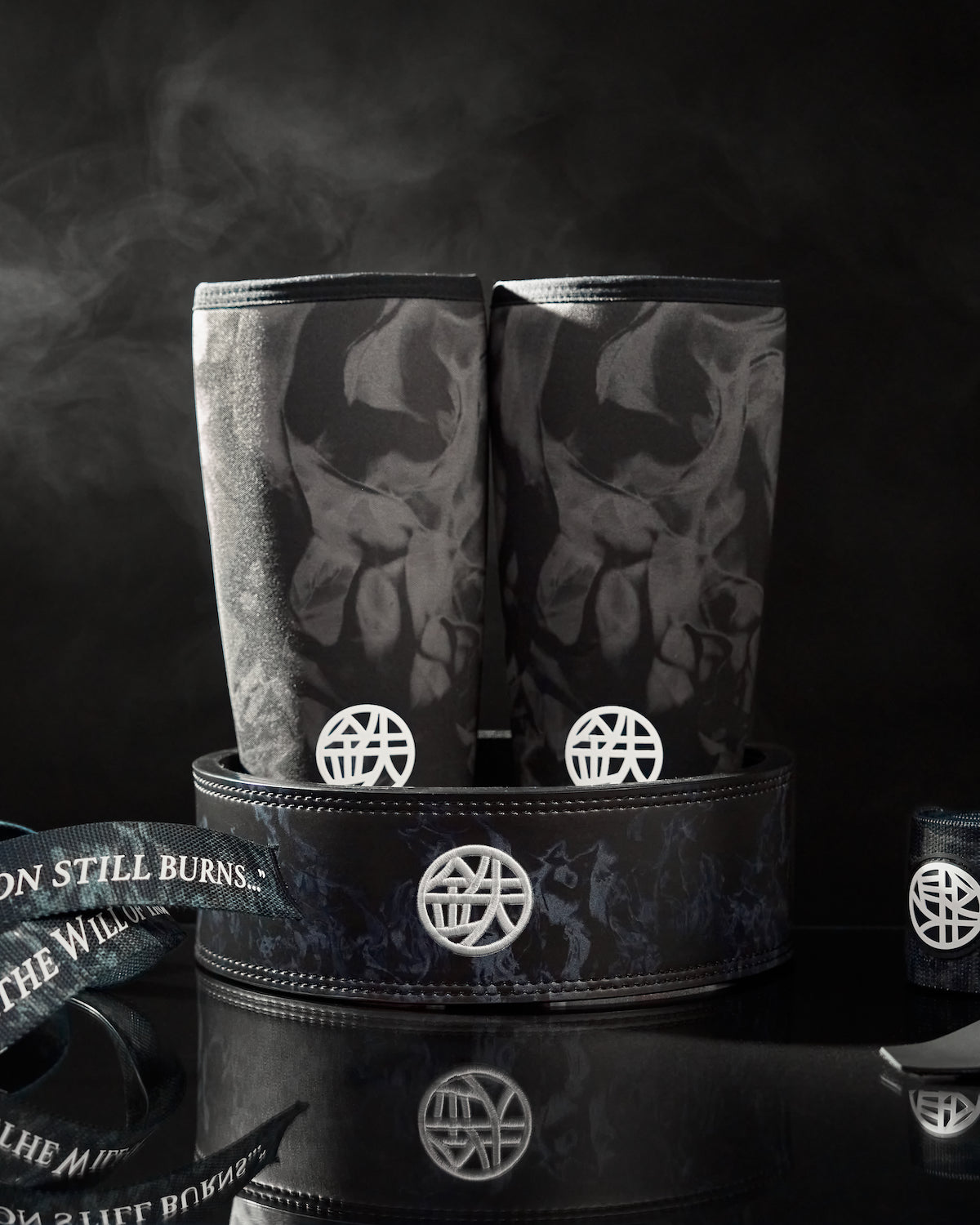



Breaking in a leather lever belt isn’t something that happens overnight. A brand-new belt will feel tight, stiff, and maybe even a little awkward during your first few sessions. But that’s exactly how it should feel at first. A leather lever belt offers serious support under heavy lifts, and learning how to properly break it in makes every squat and deadlift smoother, more confident, and more consistent.
We get questions all the time about how long it takes or what to do if the belt feels too rigid. The truth is, it just takes time and smart habits. With steady use and a bit of patience, you'll get past the stiff phase and into the part where the belt feels like a natural extension of your lift. Here's how we approach the break-in process so it works with your training, not against it.
Why New Leather Belts Feel So Stiff
If you’ve ever tried on a brand-new leather belt for the first time, you probably had the same reaction: “How am I supposed to wear this?” That stiffness is normal. Leather is a tough material, and that’s what makes it good for heavy use and serious bracing. Our lever belts are built at 13 millimeters thick to provide that level of support under max loads, so they will feel especially rigid until they start to mold to you. It’s not supposed to feel soft out of the box.
The stiffness you feel is actually part of what helps stabilize your core under load. A tighter, firmer belt pushes against your brace and gives more feedback during a lift. That’s why it’s built with thick layers and dense edges; it’s there to hold its shape when everything else is under tension.
Most people expect their belt to feel ready to go on day one, but it’s better to think of it like a new pair of lifting shoes. It needs time to mold to you. A little initial discomfort isn’t a sign of poor quality, just proof that it hasn’t shaped itself to you yet.
What to Do Before Your First Lift
Before you even step into the gym, it helps to get familiar with your belt, so it’s not a surprise mid-set. We always recommend taking a few small steps to ease into that first session.
-
Adjust the lever and find your starting notch while you’re at home. It’ll take a few tries, but locking it into a consistent position will help you get reliable tightness across workouts.
-
Wear the belt around the house for short periods. Even just five or ten minutes at a time while standing or walking can start to soften the leather and get your torso used to the brace.
-
Do some setup drills with it on. Practice your lift, your bracing, even your squat walkout with the belt secured. You want your body to learn how it feels when it’s locked in, not just on the lift, but during every moment that builds up to it.
This prep work might feel small, but it makes a real difference. It’s better to get used to the weight and pressure before loading a bar.
Training in Your Belt Without Overdoing It
Once you’re ready to train in your belt, take it slow. A common mistake is to wear it for every movement or every set on day one. Belts are tools, and using one correctly means knowing when to buckle up and when to let your body work bare.
Start with your main compound lifts. Squats, deadlifts, overhead press -- these are where the belt makes the most impact. Don’t worry about wearing it during leg extensions or light rows. Your core still needs work without gear, and overusing your belt too early can slow the break-in and leave you stiff.
Try easing it into heavier sets only. Maybe you wear it starting at 70 or 80 percent of your top weight for the day. That gives the belt something to push into without overwhelming your body with pressure every rep.
If you only train a few days a week, it’ll take the belt a bit longer to break down and form to your shape. That’s expected. Use your lifting schedule to your advantage and let the belt earn its place naturally.
How to Tell It’s Starting to Break In
After a few weeks of consistent lifting, you’ll notice little changes, and that’s a good sign. Every lifter experiences the break-in period a little differently, but there are some common things to watch for.
-
The edges of the belt will feel softer and less sharp against your ribs or hips
-
Buckling becomes smoother, and you begin to feel less resistance when you tighten down
-
The belt starts to form around your body just a bit, holding snug without needing constant readjustment
If you train three or four times a week using your belt on top sets, you’ll probably feel these shifts within a month. It’s not about rushing the process. It’s about listening to how the belt responds and letting it settle into your rhythm.
Some lifters notice the change earlier, especially if they’re hitting higher weights more often. Others might take longer, especially if their training rotates through volume blocks or lighter lifts. Either way, the progress happens, as long as you keep using it smartly.
Final Form, Better Sessions
Once your leather lever belt starts fitting right, everything about your lifting session feels more locked in. You won’t need to over-tighten or mess with notches between sets. The belt just works, and you can focus on the bar. Because our lever belts are built with stainless steel buckles, micro-adjustable levers, and are USPA and USAPL legal, that same broken-in belt can move with you from daily training onto the platform when it counts.
Breaking it in takes patience, but it’s one of those things you only need to do once. Stick with the habits that matter: wear it on key lifts, stay consistent, and don’t overuse it on light movements. With time, the leather molds itself to your body mechanics.
That broken-in belt turns into a custom feel you can’t get from anything out of the package. It becomes part of your routine, not a distraction. Once it’s there, it helps you move faster into your training with full focus and real confidence under load.
Get more out of each training session with gear that feels right and performs even better. At Tetsugakure, we build each of our belts with long-term wear in mind so the more you move with it, the better it fits. Whether you're setting up your training arc or fine-tuning your current setup, the right fit matters for support, control, and confidence under load. Explore our full line of leather lever belt styles built for serious strength work and contact us if you have any questions or need help choosing the perfect option for your training."

Leave a comment
This site is protected by hCaptcha and the hCaptcha Privacy Policy and Terms of Service apply.